
Debunking Myths About Testosterone for Women
Testosterone is often associated with men, masculinity, and muscle-bound gym enthusiasts. However, it is a crucial hormone for women as well, playing an essential role in overall health, energy, mood, and even libido. Unfortunately, a lack of awareness and persistent myths surrounding testosterone in women can lead to misunderstandings and even fear when discussing its role or considering hormone therapy. Let’s unpack some of the most common myths about testosterone for women and set the record straight.
Myth 1: Testosterone Is a “Male Hormone”
The Truth: While testosterone is often labeled as a “male hormone,” this is a misnomer. Both men and women produce testosterone, though in different amounts. Women’s ovaries and adrenal glands naturally produce testosterone, which is vital for their reproductive health, bone density, muscle strength, energy levels, and mood regulation.
Testosterone levels in women are typically lower than in men, but the hormone still plays a pivotal role in their overall health. Labeling testosterone as exclusively “male” perpetuates the misconception that it has no place in women’s health, which simply isn’t true.

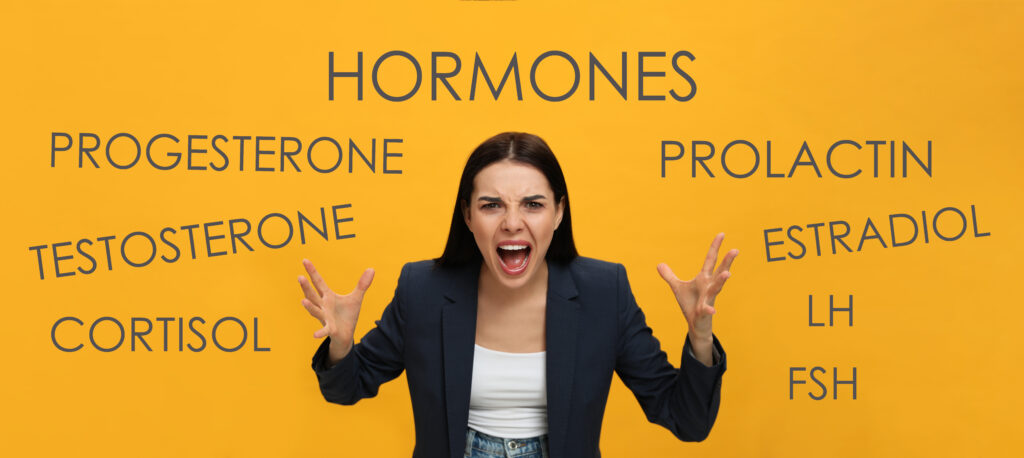
Myth 2: Testosterone Therapy Causes Aggression or “Roid Rage”
The Truth: This myth likely stems from the stereotypes associated with anabolic steroid misuse in athletes or bodybuilders, which can lead to mood swings and aggression due to extreme, unregulated doses. However, medically supervised testosterone therapy for women does not involve these extreme levels.
In fact, balanced testosterone levels are more likely to improve mood and reduce feelings of irritability, anxiety, and depression. Many women on TRT report feeling more emotionally stable, calm, and positive after achieving proper hormonal balance.
Myth 3: Women Only Need Estrogen and Progesterone
The Truth: Estrogen and progesterone often take the spotlight when it comes to hormone health in women, especially around menopause. However, testosterone plays a complementary role that is equally important.
Estrogen therapy alone may address some menopausal symptoms, such as hot flashes and vaginal dryness, but it often fails to tackle issues like low energy, decreased strength, or loss of sexual desire. Testosterone therapy, when used alongside other hormones, provides a more comprehensive solution for women experiencing hormonal changes.
Myth 4: Testosterone Therapy Will Make Women Look Masculine
The Truth: The idea that testosterone therapy will cause women to develop masculine features is both overstated and largely inaccurate. Women on medically supervised testosterone replacement therapy (TRT) are prescribed doses that are carefully calibrated to align with their natural hormonal balance.
When administered appropriately, testosterone therapy will not lead to extreme muscle growth, a deep voice, or excessive body hair, as these effects are typically associated with very high levels of testosterone or anabolic steroid abuse—not therapeutic doses. In fact, balanced testosterone levels in women often lead to increased femininity, as they can improve energy, mood, and even skin elasticity.

Myth 5: Women Don’t Need Testosterone for a Healthy Libido
The Truth: Testosterone plays a significant role in sexual health and libido for both men and women. In women, it is often called the “desire hormone” because it influences sexual arousal and satisfaction. Declining testosterone levels, which naturally occur as women age (especially during menopause), can result in a decreased libido, reduced sexual satisfaction, and even discomfort during intimacy.
Testosterone therapy can help restore libido and improve overall sexual well-being, but its benefits are not limited to the bedroom. Improved testosterone levels often correlate with greater confidence and emotional closeness in relationships.
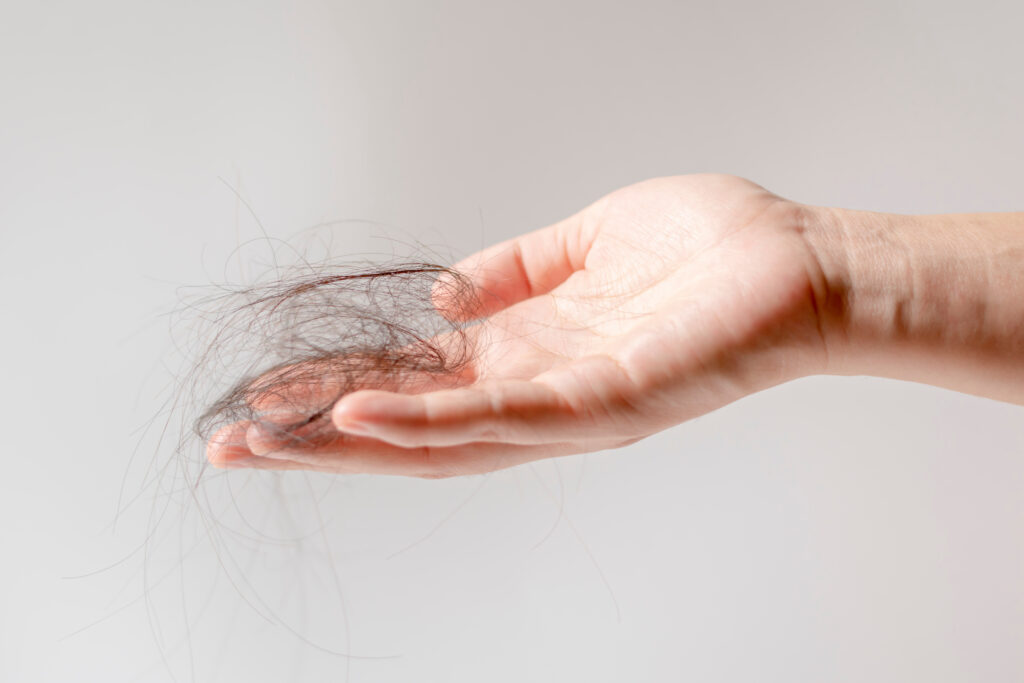
Myth 6: Testosterone Causes Hair Loss in Women
The Truth: Hormonal imbalances, including elevated levels of androgens like testosterone, can contribute to hair loss in some women, particularly if there is a genetic predisposition to androgenic alopecia. However, properly administered testosterone therapy aims to restore hormonal balance, not disrupt it.
In many cases, hair loss in women is more likely to be caused by stress, aging, or hormonal conditions like polycystic ovary syndrome (PCOS), rather than testosterone therapy itself. Working with a knowledgeable healthcare provider ensures that therapy is tailored to a woman’s unique needs and avoids potential side effects like hair thinning.
Myth 7: Testosterone Therapy Is Dangerous for Women
The Truth: Like any medical treatment, testosterone therapy should be used responsibly and under the guidance of a qualified healthcare provider. When prescribed appropriately, testosterone therapy is safe and effective for women.
Concerns about testosterone therapy causing heart disease, cancer, or other adverse effects are often based on outdated or misinterpreted studies. Recent research suggests that balanced hormone replacement therapy (HRT), including testosterone, can improve overall quality of life, enhance bone density, support cardiovascular health, and even reduce the risk of metabolic disorders.
The key to safety is customized treatment: doses tailored to an individual’s needs, combined with regular monitoring of hormone levels and overall health.
Myth 8: Testosterone Therapy Is Only for Older Women
The Truth: While it’s true that testosterone levels decline with age—especially during perimenopause and menopause—testosterone therapy isn’t exclusively for older women. Younger women with hormonal imbalances due to conditions like PCOS, adrenal fatigue, or post-oophorectomy (removal of the ovaries) may also benefit from testosterone therapy.
Symptoms such as persistent fatigue, loss of muscle tone, low libido, or unexplained mood swings can indicate low testosterone levels at any age. A thorough evaluation by a healthcare provider can help determine if testosterone therapy is appropriate.
Myth 9: Natural Remedies Can Fully Replace Testosterone Therapy
The Truth: While lifestyle changes such as proper nutrition, exercise, stress management, and quality sleep can support healthy hormone production, they cannot replace declining testosterone levels entirely—especially as women age. Natural supplements like maca root or ashwagandha may help balance hormones to some degree, but they are not a substitute for medically supervised testosterone therapy.
For women with clinically low testosterone levels, therapy may be the only way to restore hormonal balance and achieve optimal health outcomes.


Myth 10: All Testosterone Therapies Are the Same
The Truth: Testosterone therapy is not a one-size-fits-all solution. There are various forms, including:
- Injections
- Subcutaneous pellets
- Topical creams
Each method has its pros and cons, and the choice depends on individual preferences, health goals, and how the body responds. Working with a knowledgeable provider ensures that the therapy is tailored to meet a woman’s unique needs.
IMPORTANT NOTE FOR WOMEN-
Testosterone formulations for men and women are different. Live Well Cumming uses TESTOSTERONE ETHYL OLEATE 100MG/ML for a smoother gentler experience. And since women generally have smaller muscles, we recommend 1/2 inch insulin style U-100 syringes. Learn more here.